

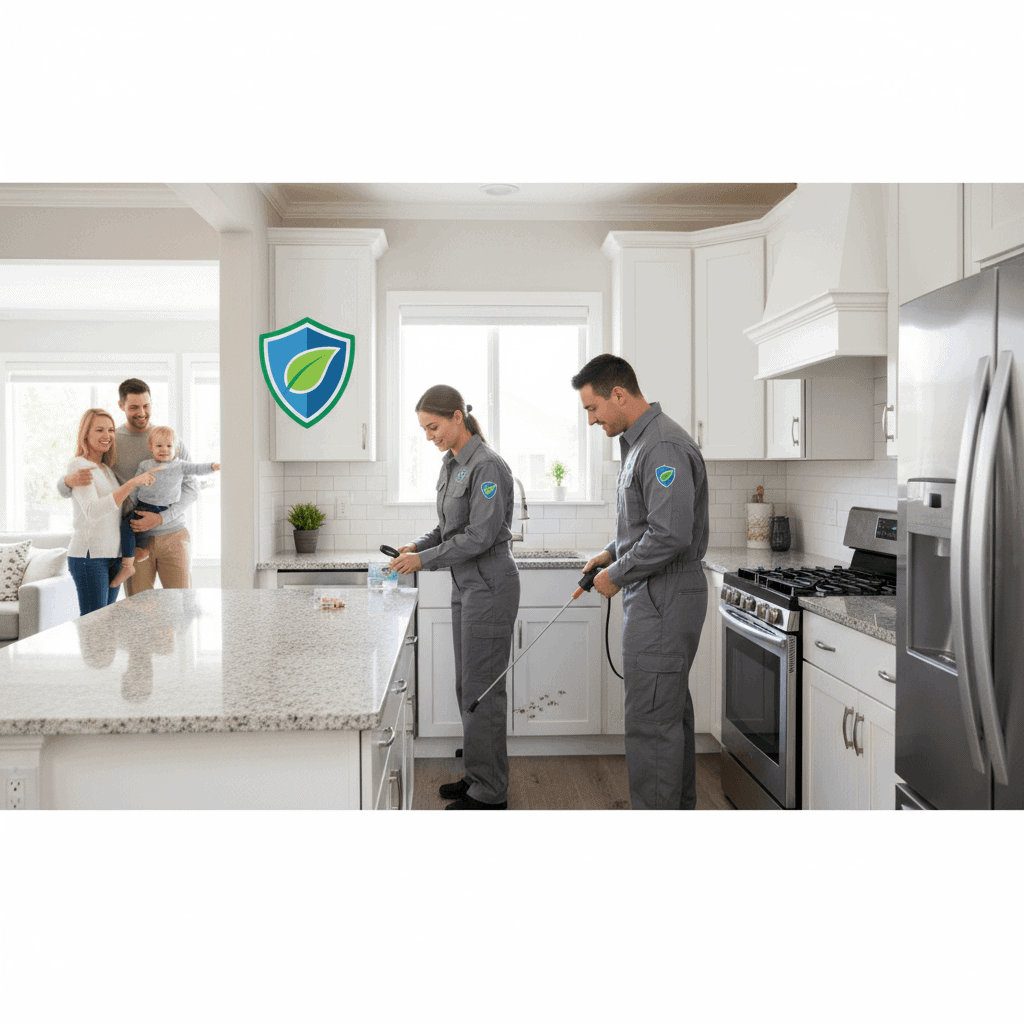
Keeping our homes free from pests is a constant challenge for many of us. I know this firsthand, as I have seen how quickly a small issue can become a major infestation. Effective management of residential pests is not just about getting rid of current invaders. It is about creating a long-term strategy that protects your home and family.
This means understanding the different types of pests that threaten our living spaces. It also means knowing the best ways to keep them out for good. My experience shows that a smart, steady approach works far better than quick fixes. We can learn to make our homes less appealing to unwanted guests.
From tiny ants marching across the kitchen counter to the more serious threat of termites, residential pests cause stress and damage. They can also carry diseases. So taking action is important. Let us explore the steps to achieve lasting pest control.
Understanding the Common Residential Pests and Their Risks
When we talk about effective management of residential pests, we must first know our enemies. Different pests pose different threats, and identifying them is the first step toward successful control. Common household pests include ants, cockroaches, mosquitoes, rodents, spiders, and termites. Each one brings its own set of problems.
For instance, ants are mostly a nuisance, but some types can contaminate food. Cockroaches are well-known carriers of bacteria and allergens. They can trigger asthma in children. Mosquitoes are more than just annoying biters. They spread serious diseases like dengue and Zika virus. Rodents like mice and rats can chew through wires. They also spread diseases and contaminate food supplies with their droppings. Spiders are generally harmless, but venomous species exist. Termites are silent destroyers, causing significant structural damage to homes before you even notice them.
Knowing which pests are active in your area and understanding their habits helps you prepare. For example, if you live in a humid climate, mosquitoes and cockroaches might be bigger concerns. In areas with older wooden structures, termite vigilance is key. I always advise people to look for signs of activity, like droppings, nests, or damaged wood. Early detection saves a lot of trouble and money down the road.
Recognizing Early Warning Signs
Catching a pest problem early makes a huge difference. I always tell people to be observant in their daily routines. Small clues can prevent a full-blown infestation. You might see a single ant trail leading to a crumb. This is a sign to seal your food and clean crumbs immediately. Finding a spider web in a corner might mean you have an entry point that needs sealing.
Beyond visible pests, listen for scratching sounds in walls or attics, especially at night. This often points to rodents. Look for small chew marks on food packaging or furniture. That is another strong indicator of rodent activity. If you notice unusual sawdust piles near wooden structures, it could be a sign of termites. Staying alert helps you act fast.
Proactive Pest Prevention Strategies for Your Home
Prevention is always better than cure, especially when dealing with residential pests. My philosophy is to make your home as inhospitable to pests as possible. This means focusing on sealing entry points and maintaining good sanitation. These actions cut off their access to food, water, and shelter.
First, seal cracks and holes in your home’s foundation, walls, and around utility pipes. Pests can squeeze through tiny openings. Replace torn window screens and repair faulty door sweeps. Even small gaps under doors can be an open invitation for rodents and insects. Inspect your roof and attic for potential entry points. Pay attention to vents and chimneys. This barrier approach is vital.
Second, sanitation is your best friend in pest prevention. Keep your kitchen clean and free of food debris. Store food in airtight containers. Wipe down counters daily. Do not leave dirty dishes in the sink overnight. Regularly empty trash cans, especially those containing food waste. Remove clutter from your home. Pests love hiding in piles of boxes, old newspapers, or unused items.
Maintaining a Clean and Tidy Environment
A clean home is a major deterrent for most pests. I recommend a consistent cleaning schedule. This includes vacuuming regularly to pick up crumbs and insect eggs. Mop floors often, especially in the kitchen and dining areas. Pay attention to forgotten spaces like under the fridge or behind the stove. These spots can gather grease and food particles that attract pests.
Outside your home, keep your yard tidy. Trim shrubs and trees away from your house. Remove standing water from gutters, bird baths, and planters because it attracts mosquitoes. Stack firewood away from the house and elevate it off the ground. These simple outdoor efforts reduce pest harborage significantly.
Implementing Effective Chemical and Non-Chemical Pest Controls
Sometimes, prevention alone is not enough, and you need to take direct action. Effective management of residential pests often involves a mix of chemical and non-chemical control methods. I always suggest starting with non-chemical options if possible. They are safer for your family and pets.
Non-chemical methods include traps, baits, and natural repellents. Snap traps or sticky traps work well for rodents and some insects. Boric acid can be effective against cockroaches and ants when used carefully. Diatomaceous earth is a natural powder that dehydrates many insects. You can sprinkle it in cracks or hidden areas. Essential oils like peppermint or tea tree oil can repel certain pests. But remember that their effectiveness varies.
When non-chemical solutions fall short, chemical treatments might be necessary. Always use pest control products according to their instructions. Never over-apply them. Identify the specific pest to choose the right chemical. Many over-the-counter sprays and baits are available. For more severe infestations, a professional pest control service is the safest and most effective option. They have access to stronger, targeted treatments.
Safe Use of Chemical Treatments
If you choose to use chemical pest control products yourself, safety is paramount. I cannot stress this enough. Read the label thoroughly before applying any product. Wear protective gear, like gloves and masks. Ventilate the area well. Keep children and pets away from treated areas until they are dry.
Store all pesticides in their original containers in a locked cabinet. Make sure they are out of reach of children and pets. Do not mix different chemicals together unless instructed by the manufacturer. Disposing of leftover chemicals properly is also very important. Improper disposal can harm the environment. Always follow local guidelines for hazardous waste.
The Role of Professional Pest Management in Residential Settings
There are times when a pest problem goes beyond what a homeowner can handle. This is when professional pest management becomes essential for effective management of residential pests. I have seen many situations where homeowners try to tackle severe infestations on their own. They often end up spending more time and money than if they had called a professional from the start.
Pest control professionals bring expertise, specialized equipment, and strong treatments that are not available to the general public. They can accurately identify the type of pest, locate hidden nests, and determine the extent of the infestation. This allows for a targeted treatment plan that addresses the root cause of the problem, not just the visible symptoms. They also know how to apply chemicals safely. They protect your family and the environment. This is especially true for complex issues like termite colonies or widespread rodent problems.
A professional service also offers follow-up treatments and monitoring. This ensures the pests are completely eradicated and do not return. They can provide valuable advice on long-term prevention strategies tailored to your specific home and location. For instance, if you are an apartment owner facing persistent pest challenges, seeking out the best pest control for apartment owners might be a wise investment. They understand the unique challenges of multi-unit dwellings.
What to Expect from a Pest Control Service
When you hire a pest control company, you should expect a structured process. First, they will usually perform a thorough inspection of your property. This helps them identify pests and entry points. Next, they will discuss their findings and propose a treatment plan. This plan should detail the methods they will use, the chemicals involved, and the expected timeline.
During treatment, technicians often focus on entry points, nesting areas, and high-traffic zones for pests. They use sprays, baits, or traps. After the initial treatment, many companies offer follow-up visits. These visits ensure the problem is fully resolved. They also check for new activity. They should also give you advice on how to keep your home pest-free in the future.
Long-Term Strategies for Sustainable Pest-Free Living
Achieving effective management of residential pests is not a one-time event. It is an ongoing commitment to sustainable practices. My goal is to help homeowners build habits that keep pests away for good, reducing the need for constant intervention. This means integrating pest control into your regular home maintenance routine.
One key strategy is seasonal maintenance. Different pests are more active during certain times of the year. For example, in spring, many insects emerge, so that is a good time to seal new cracks. In the fall, rodents seek warmth indoors, so reinforce outdoor barriers. Adjusting your prevention efforts based on the season makes your defenses stronger.
Another important aspect is landscape management. Keep vegetation trimmed away from your home’s foundation. Overhanging branches can create bridges for pests to access your roof and attic. Remove leaf litter and debris from around the perimeter of your house. These provide excellent hiding spots for many pests. Also, ensure proper drainage around your home to prevent standing water. This reduces breeding grounds for mosquitoes.
Integrating Pest Control into Home Maintenance
Think of pest control as just another item on your home maintenance checklist. Just like you clean your gutters or check your smoke detectors, regularly inspect for pest activity. I suggest a quarterly perimeter check. Look for new cracks, gaps, or signs of pest entry.
Maintain your appliances and plumbing. Leaky pipes provide water sources for pests. Clean out your dryer vents and check for gaps around pipes leading into your walls. Repairing these small issues contributes significantly to a pest-free home. Small, consistent efforts compound over time.
Choosing the Right Pest Control Partner for Your Residence
When the time comes to enlist professional help, selecting the right pest control partner is crucial for effective management of residential pests. I always advise people to do their homework. Not all pest control companies are the same. You need a partner you can trust with your home and family’s well-being.
Start by looking for companies that are licensed and insured in your area. This ensures they meet professional standards and protects you in case of any accidents. Ask about their experience with specific pests you are concerned about. A company specializing in termites might have different expertise than one focusing on general insect control. It is also good to check if they use environmentally friendly or integrated pest management (IPM) practices. These methods prioritize minimal chemical use and long-term prevention.
Gather quotes from several companies. Compare not just prices, but also the services included, the number of visits, and any guarantees they offer. Read customer reviews and testimonials. A company with a strong reputation for customer service and effective results is usually a good bet. Do not be afraid to ask questions about their methods and safety protocols. A transparent company will gladly provide all the information you need.
Questions to Ask Your Pest Control Service
When you talk to potential pest control providers, here are some questions I recommend asking. This helps ensure you make an informed decision.
- What specific pests do you specialize in treating?
- Are your technicians licensed and certified?
- What types of treatment methods do you use for my particular pest issue?
- Are your treatments safe for children and pets?
- Do you offer a guarantee on your services? If so, what are the terms?
- What is the estimated cost, and what does the fee include?
- How many visits will be necessary, and what is the schedule?
- What preventative advice can you give me for after the treatment?
Their answers will give you a clear picture of their professionalism and suitability.
Maintaining Vigilance for Lasting Pest Management Success
After implementing prevention and control measures, the journey to effective management of residential pests continues with vigilance. I have found that consistency is the secret sauce for keeping pests away permanently. It is not enough to just clean up once or get one treatment. You need to stay on top of things.
Regular inspections are a must. Walk around your home, inside and out, at least once a month. Look for anything out of the ordinary. This includes new cracks, damp spots, or any signs of insect or rodent activity. Check under sinks, in pantries, and in basements or attics. These are often forgotten areas where pests can set up shop without you knowing.
Teach everyone in your household about pest prevention too. Make sure family members understand the importance of cleaning up crumbs, storing food properly, and reporting any pest sightings. When everyone is on the same page, your home becomes a unified front against pests. This collective effort makes a big difference.
Remember, even after a professional treatment, small lapses can lead to new problems. Be proactive, stay informed, and do not hesitate to call your pest control partner for advice or follow-up if you see new activity. Your diligence now ensures a comfortable, pest-free home for the long haul. It is an investment in your peace of mind and the health of your living space.